Hardwood Floor Repair in Duluth, MN
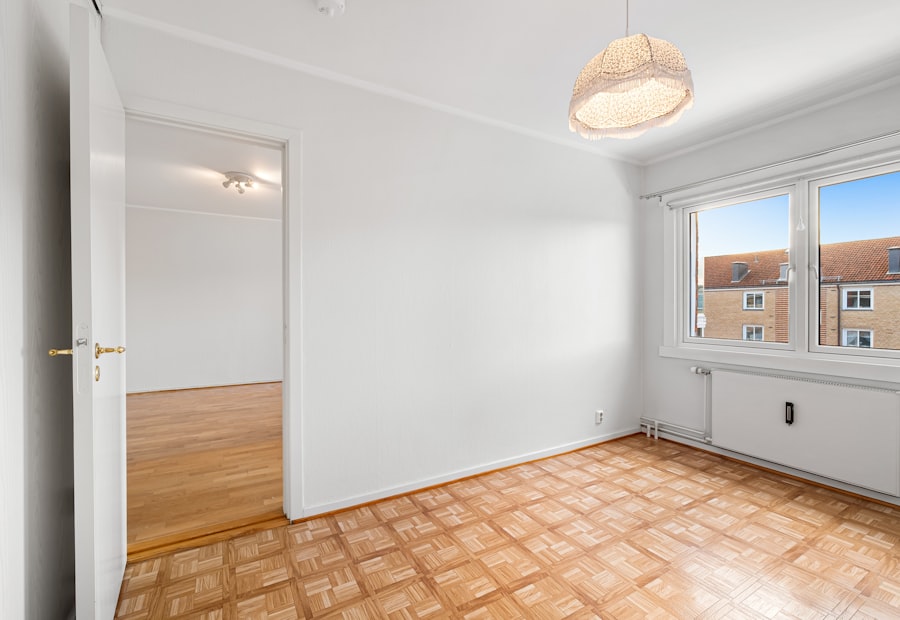
A floor that has been walked on since the 1900s develops a specific set of problems, and most of them are fixable board by board rather than by replacing the floor. Repair work is usually done alongside a refinish, and once the new finish is on, a well-made repair disappears.
Board Replacement
Individual boards get damaged: a radiator that leaked one winter, a dropped tool, rot at a doorway where water came in for years. We cut out the affected boards and let in replacements matched for species, width and grain orientation.
The sourcing is the hard part in Duluth, not the carpentry. Old-growth oak, hard maple and Douglas fir all came out of forests that no longer exist in that form. New material of the same nominal species is less dense, takes stain differently, and reads wrong under finish even when the color matches. We work from salvaged and reclaimed stock, and if we cannot get a genuine match for your floor we will tell you before we start rather than after.
Gaps, and When to Leave Them Alone
This is where Duluth differs from most places, and where a lot of money gets wasted. Solid wood floors here open seams every winter as the heating season dries them out, then close them again in summer. That is normal and it is not damage.
Fill a wide January gap and the boards expand in July with nowhere to go. The filler is crushed out, the seam looks worse than before, and in a bad case the boards themselves are compressed. We fill at the shoulder of the season when the wood is near its average width, and only where gaps persist year round. Seasonal movement we leave alone and explain.
Squeaks and Nail Pops
Squeaks are movement between the boards and the subfloor, or between the subfloor and a joist. Where there is basement access underneath, they are fixed from below with shims and screws and your finished floor is never touched. Where there is no access, the fix comes from above and is best done as part of a refinish so the fasteners disappear under the new coats.
Nail pops are the old cut nails working up as the boards move through a century of seasonal cycling. They are reset and filled during prep.
What It Costs
Board replacement runs $8 to $15 per square foot for the affected area, depending on species and how hard the match is to source. Gap filling, squeak work and nail pops are usually quoted as part of a refinish rather than separately. We put repair on its own line in the estimate so you can see exactly what it adds.
My floor has gaps every winter. Do they need filling?
Usually not. In Duluth, seasonal gapping is normal and it closes on its own by midsummer. Filling a winter gap means the filler gets crushed out when the boards expand in July, and now you have a mess in the seam as well. Gaps that stay open year round are a different matter and worth filling.
Can you match hundred-year-old boards?
We match species, width and grain orientation from salvaged and reclaimed stock, which is generally the only way to get old-growth oak, fir or maple that reads correctly. New plantation-grown material is a different density and takes finish differently, so it shows even when the color matches. If we cannot get a genuine match we say so before starting.
Can a squeak be fixed without pulling up the floor?
Often yes. If there is basement or crawlspace access underneath, squeaks are fixed from below with shims and screws and the finished floor is never touched. Where there is no access from below the fix is done from the top and is best combined with a refinish so the repairs disappear.
Is Douglas fir harder to repair?
Yes, in one specific way: it dents and gouges much more easily than oak, so damage is more common, and matching old fir means sourcing salvage because what is sold new is a different product. The repair itself is straightforward, the sourcing is the work.
Should I repair or replace the whole floor?
In this housing stock, repair almost always wins. Replacing a few boards in an old-growth floor costs a fraction of new flooring and keeps material you cannot buy. Full replacement only makes sense when damage is widespread or the boards have already been sanded past usable thickness.