Hardwood Floor Restoration in Duluth, MN
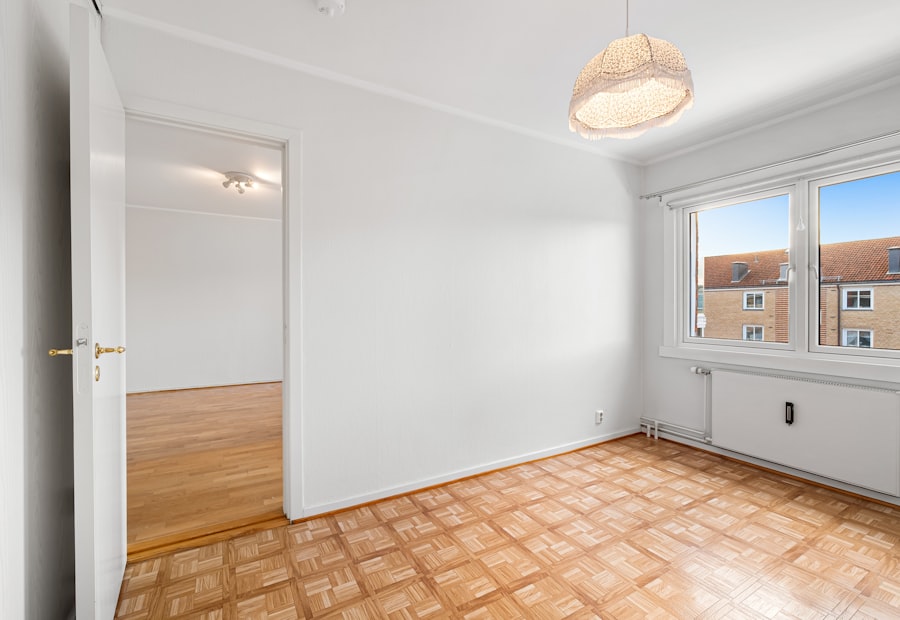
A large share of the hardwood in Duluth has been covered up for fifty years. Wall-to-wall carpet went down across this housing stock through the mid-century decades, and linoleum or vinyl tile went straight onto the boards in kitchens and back halls. Most of it is still there underneath.
What Is Likely Down There
In a house built between the 1890s and the 1920s, which is most of Duluth, the original floor is red oak or hard maple in the rooms guests saw and Douglas fir in the bedrooms and back rooms where nobody was looking. Fir was cheap and local while the port was moving timber, so it turns up constantly upstairs.
That matters because fir restores differently. It is softer, it sands faster, and it scallops under a heavy hand. A restoration crew that treats a fir floor like an oak floor will damage it.
Carpet Actually Protected It
The instinct is that a floor under carpet for five decades must be ruined. Usually the opposite is true. Carpet and padding shield wood from ultraviolet light and from foot traffic, so what comes up is frequently in better condition than the exposed floor in the next room. The damage is around the edges: tack strip holes at the perimeter, staple holes across the field. Both fill and disappear under a refinish.
Linoleum, Adhesive and Asbestos
Sheet flooring glued directly to the boards is harder than carpet. The adhesive has to be removed before sanding, which adds time and sometimes chemistry.
It also raises a safety question that we take seriously rather than sanding through. Old sheet flooring, its backing, and some adhesives from this era can contain asbestos. We do not sand anything suspect. It gets tested first, and if it comes back positive that is abatement work for a licensed contractor before any flooring work begins.
The Process
Remove the covering and dispose of it. Pull tack strips and staples. Assess what is underneath honestly, including remaining thickness and species, before committing to a sanding plan. Fill the perimeter holes. Sand, stain if you want it, and finish.
What It Costs
Removal and disposal adds $0.50 to $1.50 per square foot on top of the refinishing price for carpet. Linoleum and adhesive removal is quoted after inspection because it varies enormously. The refinishing itself runs the standard $3 to $6 per square foot.
How do I check whether there is hardwood under my carpet?
Pull back a corner in a closet, where nobody will see it if you put it back. Or look at the edge of a floor register or a heating vent, where the floor edge is often visible without lifting anything. In housing this old the answer is very often yes.
What condition will it be in?
Usually better than you expect. Carpet and its padding shield wood from sunlight and foot traffic, so the floor underneath is often in better shape than the exposed areas around it. The typical damage is tack strip holes around the perimeter and staple holes across the field, and both fill and disappear under a refinish.
What if it is linoleum glued straight to the boards?
That is more work than carpet but usually still worth it. The adhesive has to come off before sanding, which adds time. Some old adhesives and some old sheet flooring contain asbestos, so anything suspect gets tested rather than sanded blind.
Could there be asbestos?
In housing this age it is possible in old sheet flooring, backing and adhesives. We do not sand anything suspect. It gets tested first, and if it is positive that is abatement work for a licensed contractor, not a flooring job.
What does the removal add to the cost?
Carpet and pad removal, tack strip pull and disposal typically adds $0.50 to $1.50 per square foot on top of the refinishing price. Linoleum and adhesive removal costs more and is quoted after we see it.